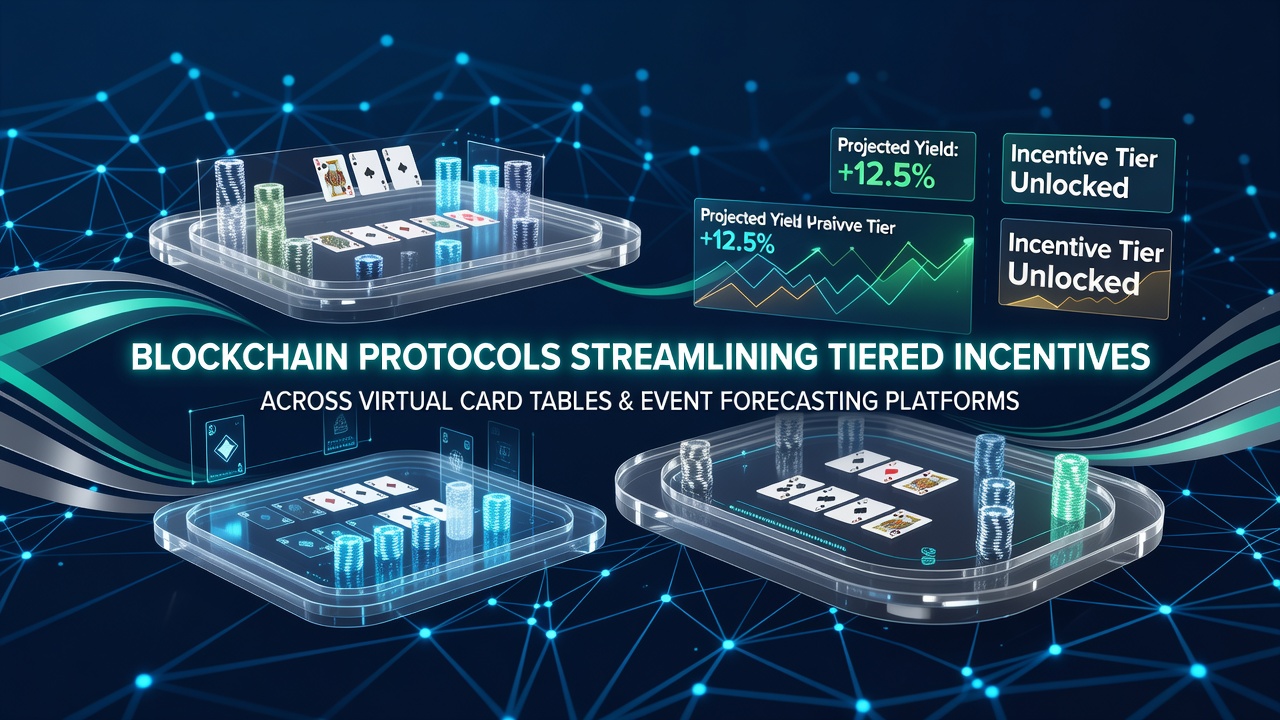
Blockchain Protocols Streamlining Tiered Incentives Across Virtual Card Tables and Event Forecasting Platforms
Blockchain protocols have begun integrating smart contracts with virtual card tables and event forecasting platforms to automate tiered incentive distribution, and this shift relies on transparent ledger entries that record player activity across decentralized networks. Observers note that these systems assign reward levels based on verifiable transaction data, which reduces manual processing delays while maintaining audit trails that regulators and platform operators can review at any time.
Core Mechanisms Driving Incentive Automation
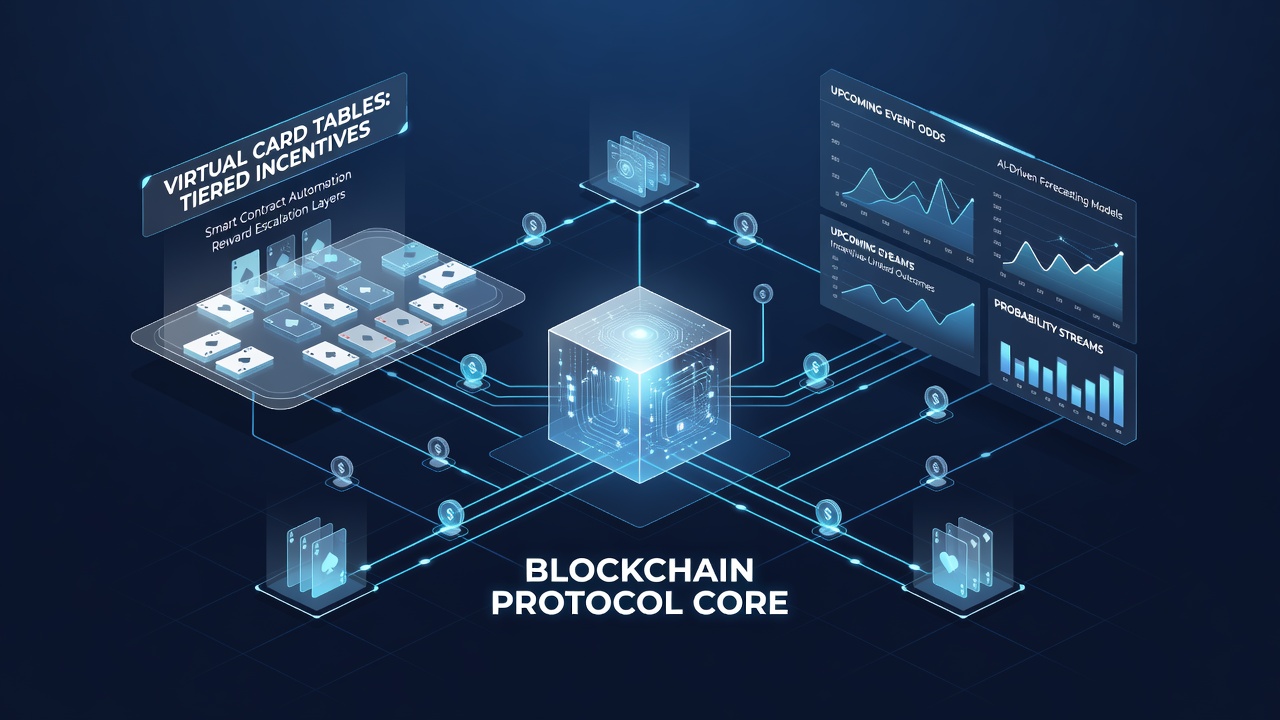
Smart contracts execute predefined rules once on-chain conditions are met, and they handle everything from initial tier qualification to escalating benefit unlocks without requiring centralized intermediaries. Data from industry analyses shows that platforms using these contracts distribute loyalty points or bonus credits in real time, whereas earlier centralized databases often introduced latency between activity and reward posting. Researchers at academic institutions have documented cases where Ethereum-based or alternative layer-two solutions track cumulative wagers on virtual tables, automatically advancing users through bronze, silver, and gold tiers once thresholds are crossed.
Event forecasting platforms apply similar logic to prediction markets, where participants stake tokens on outcomes and protocols release tiered payouts or governance rights when forecasts resolve correctly. Figures reveal that these setups log each forecast and its associated stake on immutable chains, which allows operators to calculate performance metrics and issue corresponding incentives without separate reconciliation steps.
Integration Patterns in Virtual Card Environments
Virtual card tables connect to blockchain nodes that monitor session data, and protocols trigger incentive releases when players meet volume or frequency criteria. One study revealed that certain platforms combine off-chain gameplay engines with on-chain verification modules so that high-frequency participants receive expedited access to private tables or reduced rake percentages. Those who've examined transaction logs observe that tier upgrades appear as new wallet permissions, granting holders immediate visibility into their updated status without waiting for support team confirmation.
Security features embedded in these protocols include multi-signature requirements for large reward redemptions and zero-knowledge proofs that confirm tier eligibility while keeping individual betting histories private. According to reports compiled by the Blockchain Research Institute, adoption of such privacy-preserving techniques has grown steadily through 2026 as platforms seek compliance with data protection standards across multiple jurisdictions.
Event Forecasting Platforms and Tiered Reward Structures
Prediction markets built on blockchain protocols record each forecast as a tokenized position, and automated settlement occurs once external oracles feed outcome data into the contract. Observers note that tiered incentives emerge when users accumulate successful forecasts or maintain consistent participation volume, at which point protocols unlock higher staking limits or revenue-sharing percentages. Research indicates that these mechanics operate continuously, updating user dashboards as soon as oracle confirmations finalize.
By November 2026, several forecasting platforms had expanded their use of cross-chain bridges to pull liquidity from multiple networks, thereby increasing the pool of available rewards and allowing tier benefits to apply across different event categories. Government documents from regulatory bodies in Australia and Canada highlight ongoing reviews of these systems, focusing on how transparent ledgers assist in monitoring incentive flows and preventing concentrated reward accumulation.
Interoperability Considerations and Data Standards
Protocols achieve interoperability through standardized token formats and oracle networks that feed consistent data into multiple smart contracts simultaneously. Industry organizations such as the International Association of Gaming Regulators have issued guidance encouraging uniform reporting formats so that tier progression data remains comparable across platforms operating in different regions. Experts have observed that this standardization reduces friction when users migrate between virtual card environments and forecasting markets while preserving their accumulated incentive status.
Transaction throughput improvements from newer consensus mechanisms support higher volumes of micro-rewards, which many platforms now issue for incremental activity rather than waiting for monthly summaries. Figures from academic papers on distributed ledger performance show reduced confirmation times, enabling near-instant tier notifications that keep participants engaged across both card tables and prediction events.
Conclusion
Blockchain protocols continue to refine the way tiered incentives operate within virtual card tables and event forecasting platforms by replacing manual oversight with code-enforced rules that execute on verified data. As adoption widens through late 2026, the emphasis remains on verifiable transparency, cross-platform compatibility, and regulatory alignment that lets operators maintain compliant reward programs while participants receive prompt recognition of their activity levels.